Why Your Net Worth is a Powerful Financial Tool

One of the most helpful tools in your financial planning toolkit is your Net Worth Report. This simple report does a lot of heavy lifting behind the scenes of your plan. Understanding how to read it can empower you to make more confident financial decisions.
Assets – Liabilities = Net Worth
Your net worth is a snapshot of your financial position today. Net worth is the difference between what you own (assets) and what you owe (liabilities). It’s one of the clearest indicators of long-term progress, and it evolves over time as your plan is implemented. It also organizes your entire financial life in one place.
While this report tracks financial progress, it doesn’t define your inherent value. We know your net worth is not your self-worth. You are more than what you own. We believe diligent stewardship of what’s been entrusted to us is important not just because it’s common sense, but also because it’s Biblical wisdom that comes from the book of Proverbs. Proverbs 27:23 says, “Be sure you know the condition of your flocks, give careful attention to your herds.” The net worth report helps us understand the strengths and opportunities within your financial life. That said, our goal with this report is always to connect your finances back to your values and goals, which is why you’re planning in the first place!
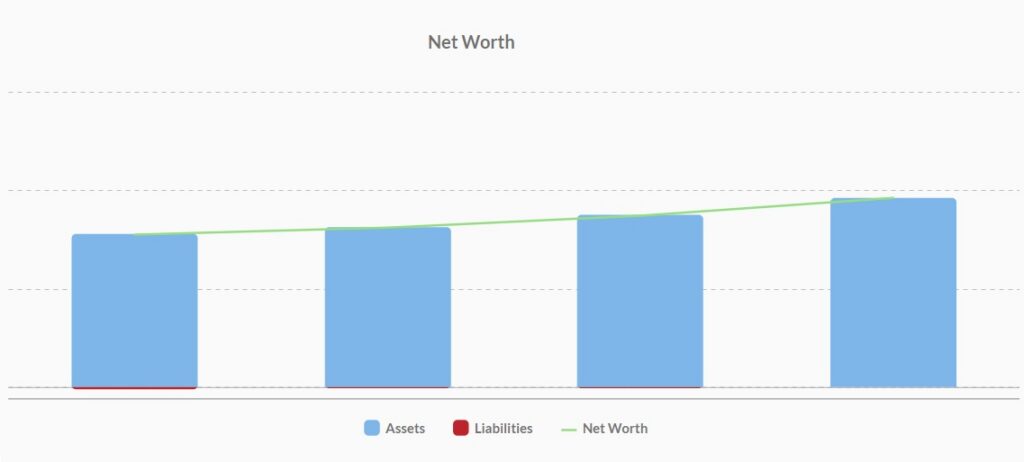
Here’s a quick breakdown of what your Net Worth Report includes:
1. Lifestyle Assets
This includes your home, vehicles, and other valuable possessions. These are the things that make up your day-to-day life and lifestyle.
2. Non-Qualified Assets
These are your more flexible, taxable accounts: checking and savings accounts, brokerage accounts, stock compensation plans, and other investments that aren’t retirement-specific.
3. Qualified Assets
This section includes retirement accounts like IRAs and 401(k)s, as well as Health Savings Accounts (HSAs) and 529 Plans. These accounts often have tax advantages but may have access restrictions.
4. Business Assets
If you own a business or have an ownership stake in one, this part of the report captures that value.
5. Liabilities
Everything you owe: mortgages, student loans, credit cards, or other debts. Knowing your liabilities helps shape strategies to reduce or manage them.
Your specific report may also have items unique to your situation, such as a section for Investment Real Estate or Trust Assets.
Ownership & Titling
Knowing how you own each account or property is key to tax planning, estate planning, and protecting what matters most. Your report reflects how assets and liabilities are titled, helping us ensure your plan is structured properly. We also track all your beneficiary designations, so we know who gets what when you’re gone.
Progress Tracking
As we work together, we’ll revisit this report periodically to track changes, celebrate progress, and identify areas that may need attention.
➡️ Click here to watch a video summary on how to update your Net Worth Report
Need help interpreting a specific section? We’re always happy to walk through it with you. You can always access and update your Net Worth Report anytime inside your Client Portal.
When you understand your net worth, you’re not just tracking numbers, you’re gaining confidence for every financial decision ahead.
< Back to Insights